

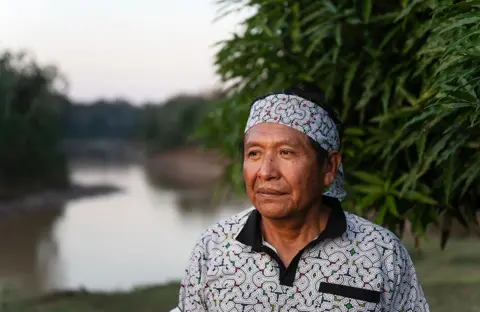
Tomas Anez Dos Santos was laboring in a modest glade within in the Peruvian jungle when he detected sounds approaching through the lush forest.
He realized he was surrounded, and stood still.
“One person was standing, aiming using an arrow,” he remembers. “And somehow he noticed that I was present and I began to run.”
He ended up confronting members of the Mashco Piro. For decades, Tomas—residing in the modest village of Nueva Oceania—served as practically a local to these wandering individuals, who avoid interaction with foreigners.
A recent study by a human rights organisation indicates remain no fewer than 196 described as “uncontacted groups” left globally. The Mashco Piro is thought to be the most numerous. The report claims half of these tribes may be decimated in the next decade if governments neglect to implement more measures to safeguard them.
The report asserts the greatest risks are from timber harvesting, digging or exploration for petroleum. Isolated tribes are highly vulnerable to common illness—consequently, the report states a risk is posed by interaction with religious missionaries and social media influencers seeking engagement.
In recent times, Mashco Piro people have been coming to Nueva Oceania with greater frequency, as reported by inhabitants.
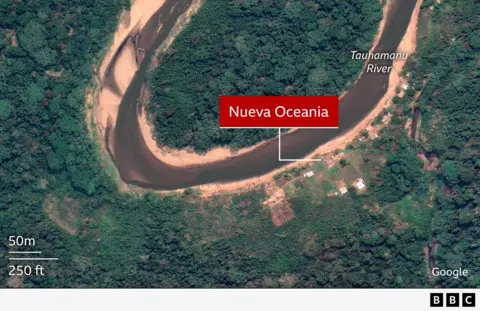
This settlement is a fishermen's hamlet of a handful of clans, perched high on the shores of the Tauhamanu waterway deep within the Peruvian rainforest, half a day from the most accessible settlement by watercraft.
The area is not recognised as a safeguarded reserve for uncontacted groups, and logging companies operate here.
According to Tomas that, on occasion, the racket of heavy equipment can be heard continuously, and the tribe members are observing their forest disrupted and ruined.
In Nueva Oceania, inhabitants say they are divided. They dread the projectiles but they hold profound regard for their “kin” who live in the forest and want to safeguard them.
“Let them live as they live, we are unable to change their culture. That's why we maintain our distance,” states Tomas.
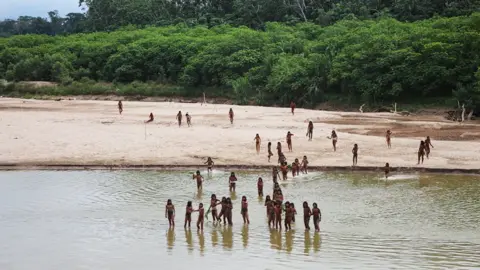
Inhabitants in Nueva Oceania are anxious about the harm to the Mascho Piro's livelihood, the danger of conflict and the chance that timber workers might expose the community to sicknesses they have no resistance to.
At the time in the village, the tribe made their presence felt again. Letitia Rodriguez Lopez, a resident with a young girl, was in the jungle gathering produce when she detected them.
“We detected shouting, shouts from others, numerous of them. As though there were a whole group calling out,” she shared with us.
It was the first time she had met the tribe and she fled. Subsequently, her thoughts was persistently racing from terror.
“Since operate loggers and operations cutting down the forest they are fleeing, maybe because of dread and they arrive in proximity to us,” she explained. “We are uncertain what their response may be to us. That's what scares me.”
In 2022, two individuals were assaulted by the group while catching fish. A single person was struck by an arrow to the abdomen. He lived, but the other person was located deceased after several days with multiple arrow wounds in his body.
The administration follows a strategy of avoiding interaction with isolated people, establishing it as forbidden to start encounters with them.
This approach originated in Brazil following many years of lobbying by indigenous rights groups, who observed that first contact with remote tribes could lead to entire communities being eliminated by illness, hardship and starvation.
Back in the eighties, when the Nahau people in Peru made initial contact with the world outside, half of their community succumbed within a few years. A decade later, the Muruhanua tribe suffered the similar destiny.
“Remote tribes are extremely at risk—in terms of health, any interaction may transmit diseases, and even the basic infections may decimate them,” explains Issrail Aquisse from a Peruvian indigenous rights group. “From a societal perspective, any exposure or intrusion could be very harmful to their way of life and survival as a community.”
For those living nearby of {

